TM-200 Low-Profile Portable Divider

$165.00

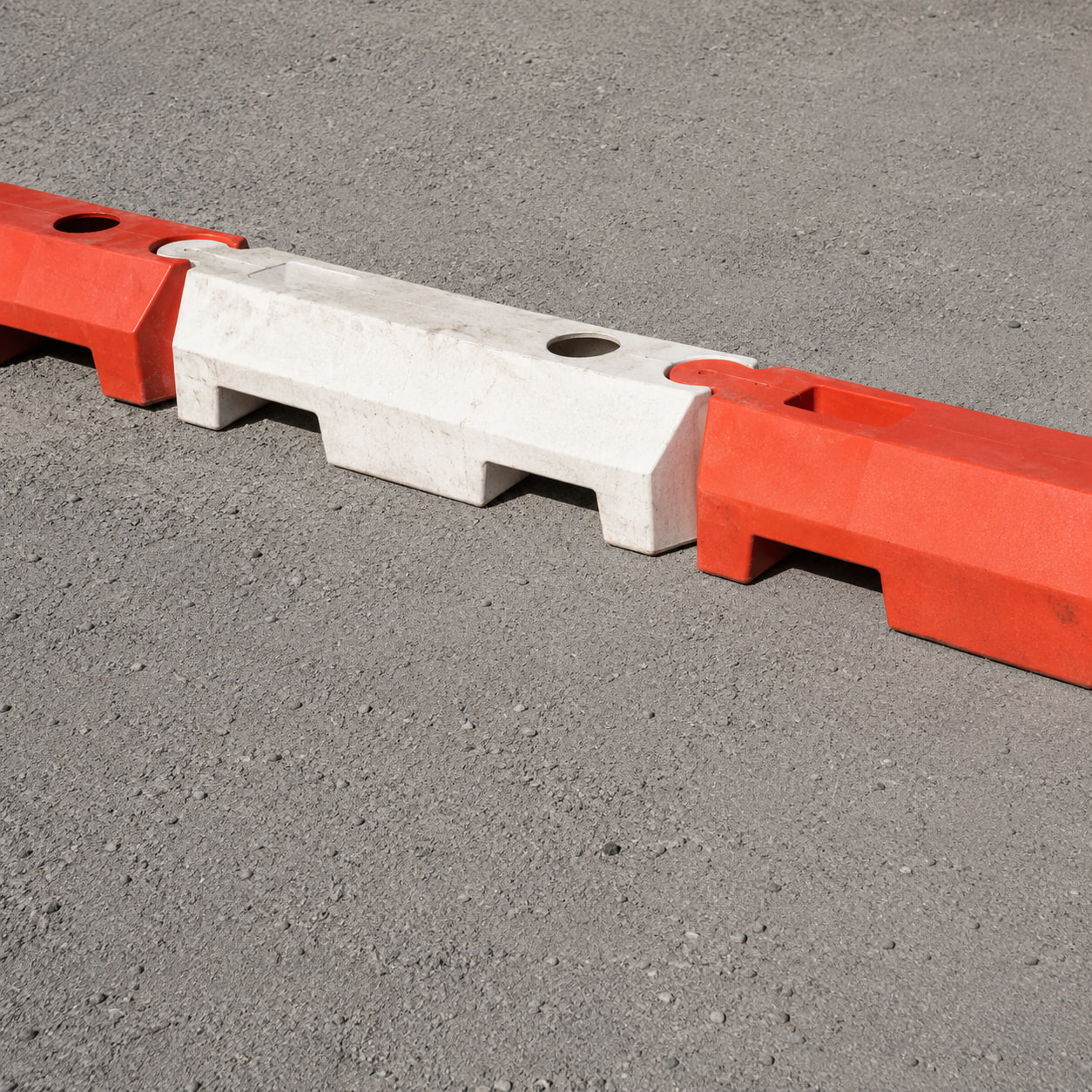
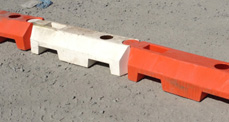
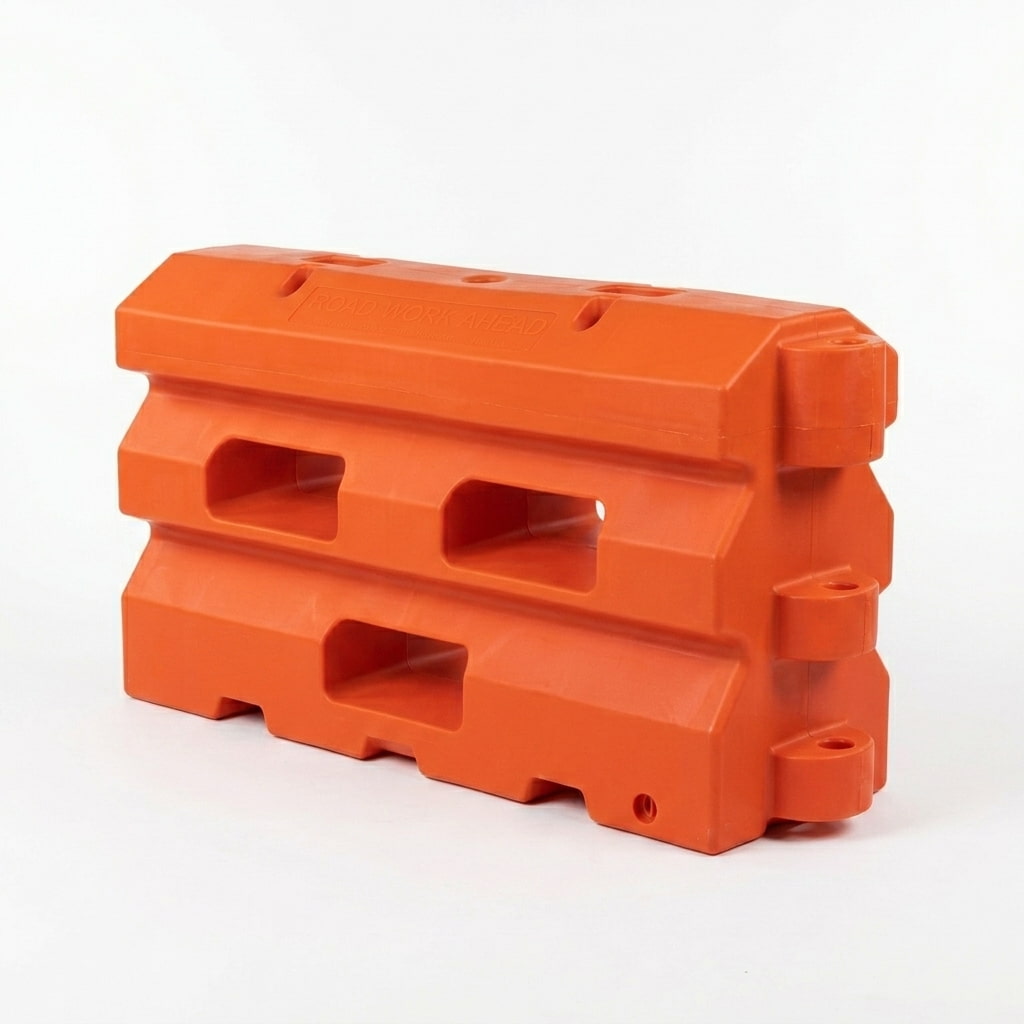
Designed for fast-changing layouts, the Australian-made TM-200 provides low-profile visual separation across car parks, line-marking areas, parking bays and temporary pedestrian routes. Each portable unit interlocks with the next to form connected runs, then fills with water for added mass during use. It is a practical choice where clear layout control is required without a taller delineator.

Lightweight to Reposition as Layouts Change.
Each unit weighs 4.5kg empty, allowing crews to position, adjust and pack up the layout without special handling equipment. Great for quick repositioning of line markings and visual delineation.

Self-Interlocking Runs with Added Filled Mass.
Units interlock directly without separate joining pins, allowing connected layouts to be assembled and adjusted with ease. Each divider holds 40.5L of water and weighs 45kg when full to stay put.

Description

Fill capacity

40.5L

Effective length

1,000mm

Height

220mm

Empty weight

4.5kg

Overall length

1,100mm

Width

320mm

Filled weight

45kg

Joining system

Self-interlocking

Colours

Orange or white

Empty weight

4.5kg

Effective length

1,000mm

Low-Profile Layout Control for Changing Work Areas

At 220mm high, the TM-200 provides connected visual separation without the height of a general-purpose delineator. It suits car parks, parking bays and line-marking work where the boundary may need to change as the job progresses. Where a taller delineator, greater filled mass or tested vehicle containment is required, another Barrier Systems model may be more suitable.

Plan Runs by the Metre

Each interlocked unit provides 1,000mm of effective length and interlocks directly with the next one.

Compact, Low-Profile Footprint

The 1,100mm × 320mm footprint and 220mm height help crews plan placement around parking bays and line-marking areas.

Plan Quantities, Timing and Delivery

Project Supply Around the Actual Layout

Share the application and planned run length, along with the required date and delivery location. We can help estimate the quantity, confirm whether the TM-200 suits the intended layout, check current availability, and plan production timing and freight around the job.

Choose Orange or White

Use one colour throughout or alternate orange and white units to add contrast along the connected run.

Add Lights, Signage or Mesh

Supports compatible hazard lights, pole signage or mesh fencing provisions where configuration suit the intended use.

Temporary Pedestrian Guidance

Visually define temporary walkway edges and changed pedestrian routes around car parks and line-marking zones.

Australian Made

Manufactured in Australia by Barrier Systems and backed by QSolutions’ rotational-moulding capability, the TM-200 is supported by first-hand product knowledge and local production capacity. We can provide practical guidance on intended use, run planning, configuration and project-supply requirements across Australia.

A low-profile parking divider is useful when the job is to show a connected temporary boundary without the vertical presence of a taller delineator. At 220 mm high, the TM-200 is deliberately suited to car parks, parking bays and line-marking layouts where visual layout control is required and the arrangement may change. It is not intended to physically restrict access or provide impact protection. Where the site needs greater height, a substantial physical boundary or tested vehicle containment, select a system designed for that requirement.

Visual separation means using a clearly recognisable boundary to help people understand the intended layout. In a car park, connected TM-200 units can show where parking ends, a maintenance or line-marking area begins, or a temporary pedestrian route has changed. Orange and white units can also be alternated to add contrast along the run. The boundary acts as a visual cue; it does not physically prevent access, restrain pedestrians or stop a moving vehicle.

Yes. Connected TM-200 units can visually define a temporary boundary between parking bays, identify bays affected by maintenance or line-marking work, or support a revised parking arrangement. Its 220 mm height and 320 mm width should be considered when placing units around vehicles, pedestrian paths, kerbs and required openings. The TM-200 is a temporary visual divider, not a wheel stop, parking lock or permanent bay-control device, so the layout must not rely on it to physically stop or exclude vehicles.

Each TM-200 interlocks directly with the next unit, forming a connected car park delineator run without separate joining pins. This allows a temporary layout to be assembled around parking areas, maintenance work, line-marking zones or changed pedestrian routes, then revised as the job progresses. Each unit contributes 1,000 mm of effective length to a straight run. Plan vehicle paths, pedestrian access and any openings through the boundary before positioning and filling the units.

Yes, where “barrier” means a visual boundary rather than impact protection. Connected TM-200 units can define sections being prepared, painted or allowed to dry. As line-marking work moves between rows or bays, the units can be emptied and repositioned for the next stage. The self-interlocking design avoids separate joining pins, helping crews revise the run between stages. Vehicle movements and worker protection must still be managed through the traffic and safety controls appropriate to the site.

Only in the sense where “barrier” refers to a visual guidance rather than physical pedestrian containment. A connected TM-200 run can define the edge of a temporary pedestrian walkway around car park maintenance or line-marking work, with units placed beside rather than across the route. Plan route width, crossings, surface conditions, accessibility needs and interaction with moving vehicles separately. Where the site requires a full-height physical boundary, crowd control, fall protection or vehicle-impact protection, use a system designed for that purpose.

Portable describes how the TM-200 is handled while empty. Temporary describes the layout it creates. Each unit weighs 4.5kg empty, allowing the run to be positioned and adjusted before the units are interlocked and filled. Once filled, each unit weighs 45 kg and should be emptied before relocation or pack-up. This empty-to-filled workflow suits staged car park, line-marking and maintenance layouts that need to change as work progresses.

Water is added after positioning to increase each TM-200 from 4.5kg empty to 45kg full. Its 40.5L capacity provides added mass during use while keeping the divider lightweight when empty for placement and pack-up. For longer runs of water-filled parking dividers, plan access to water and how the units will be emptied before relocation. Filled weight is an operating specification, not a vehicle-impact, redirection or containment rating.

Each TM-200 contributes a metre of effective length to a straight connected run. Start with one unit per metre and round up any partial metre: a 12m run starts with 12 units, while 12.4m requires 13. Use the effective length rather than the 1,100mm overall length because it represents each unit’s contribution once connected. Calculate separate runs individually and allow for openings and the actual site configuration. For complex or staged layouts, provide the individual run lengths for quantity confirmation.

No. The TM-200 is a low-profile divider and delineator for visual separation and temporary layout control. Filling it to 45 kg adds mass, but does not establish tested containment, redirection or vehicle-impact performance. Do not rely on the TM-200 to stop a moving vehicle or protect people, vehicles or property from impact. Where those functions are required, select a tested redirective barrier and confirm its documented performance, system configuration and suitability for the particular traffic environment.

Talk to Us About Your Barrier Requirements

Tell us the application, required quantity or total run length, delivery location and required date. We can help confirm suitability and current availability, then plan production timing and freight around your project.


    Additional information
    ColourOrange, White
    Series