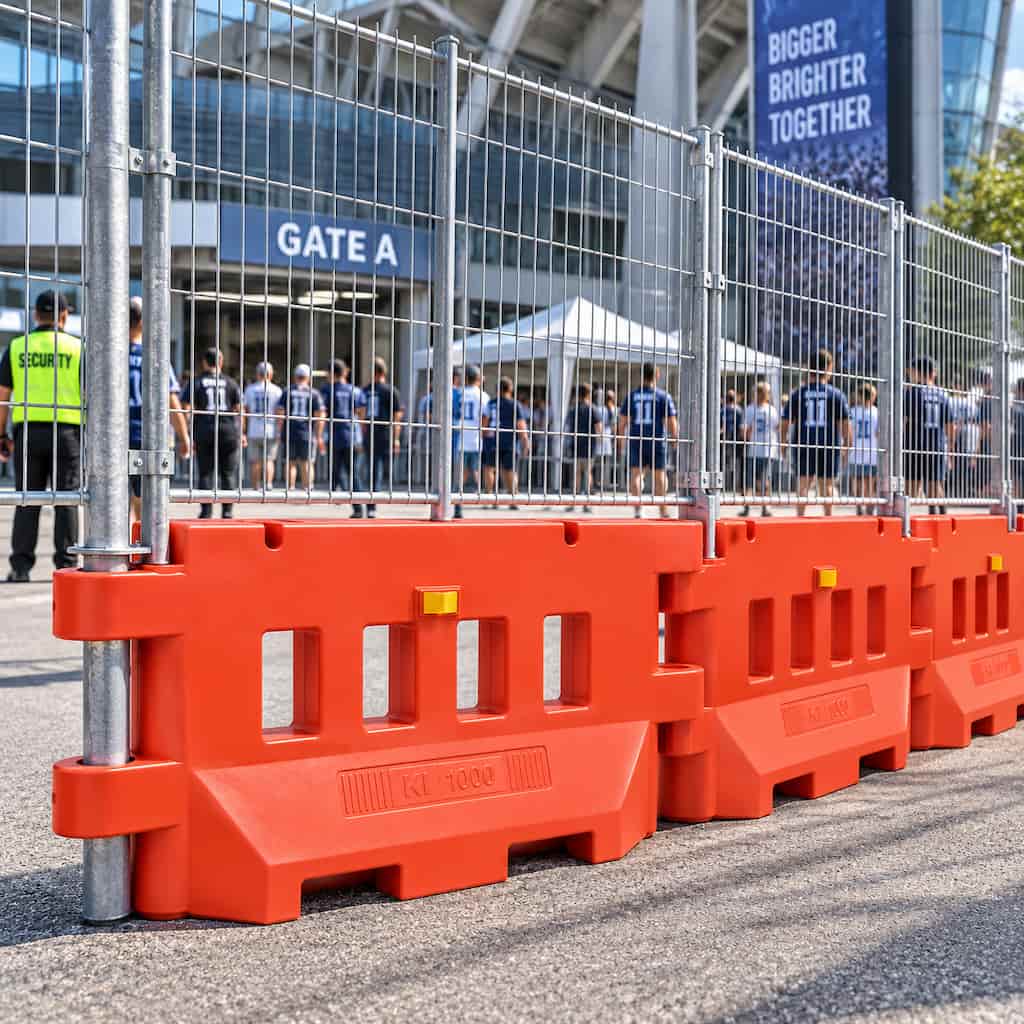
Work-Area Separation
Define active work, maintenance, staging and restricted areas with temporary separation systems selected around boundary strength, fencing, layout geometry, handling and site conditions.
Need tested vehicle containment rather than ordinary work-area separation?
View Redirective Protection ➔
Work-Area Separation for Real Site Conditions
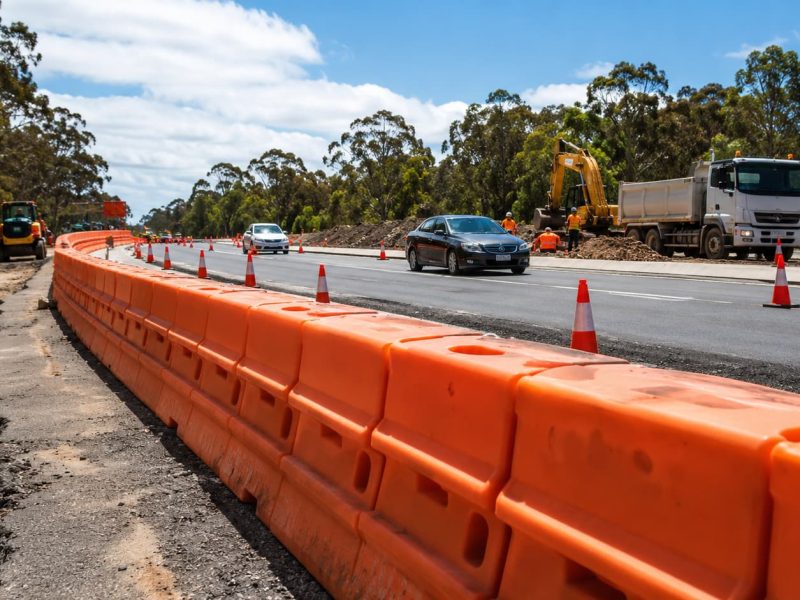
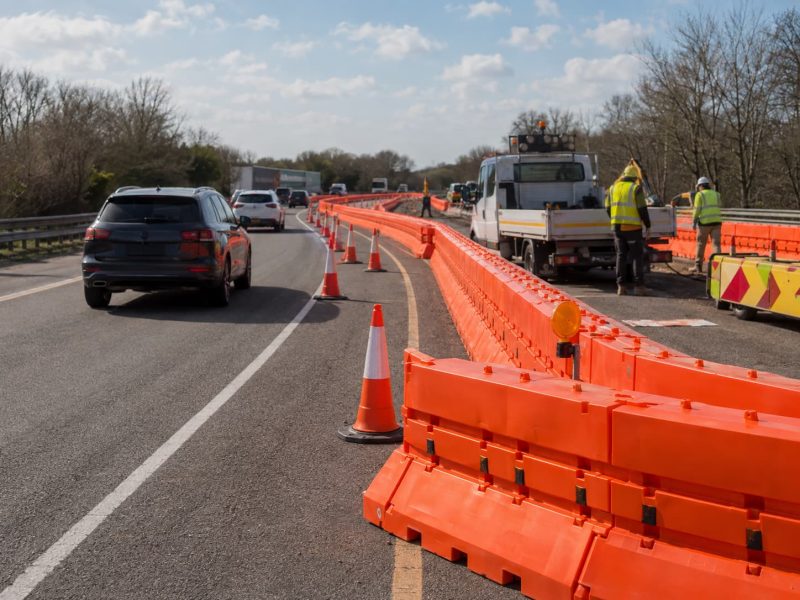
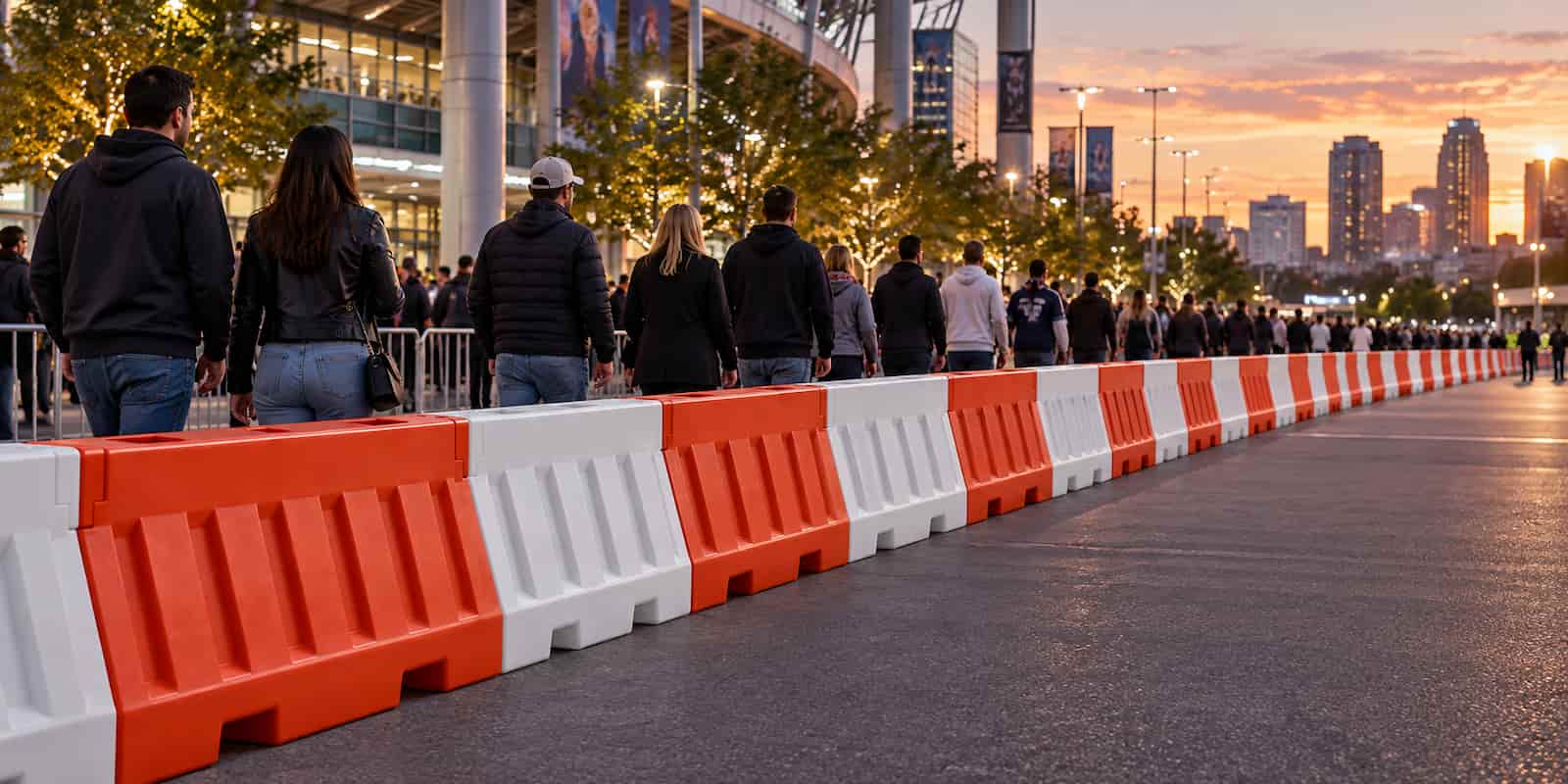
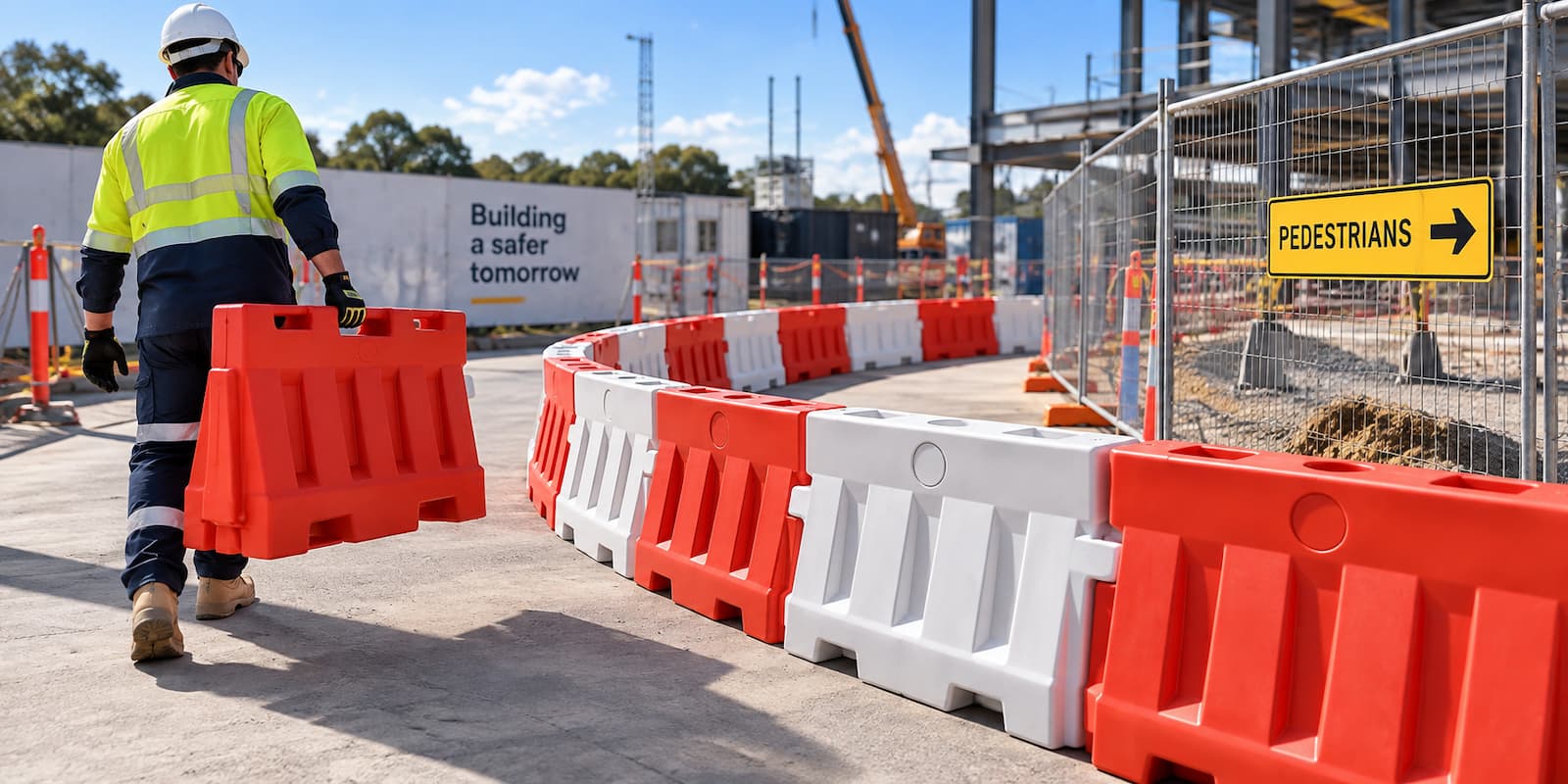
From construction and civil works to maintenance, loading and changing operational zones, see where temporary work-area separation is commonly used.
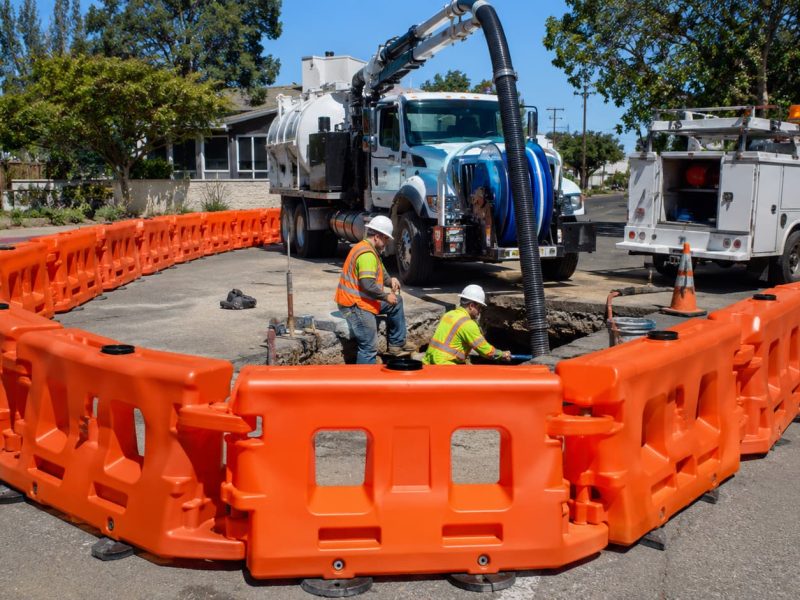
Plan the Work Area Before Choosing a System
Before comparing systems, define what area needs to be separated, who or what must remain outside it, and the site conditions the boundary needs to accommodate.

01 — What area needs to be separated?
Map the active work, maintenance, staging or restricted area, including its perimeter, openings, access points and any sections likely to move as work progresses.

02 — Who or what must be kept separate?
Identify pedestrians, site traffic, mobile plant, workers or general operations around the area. This helps establish the actual separation function before a product is selected.
03 — What level of separation is required?
Decide whether the job needs clear visual delineation, a more substantial high-mass boundary, fencing or mesh, or a separate tested vehicle-containment system.
04 — What shape and access does the layout need?
Review straight runs, corners, curves, openings and controlled access points so the selected system can form the required work-area boundary.

05 — What Site & Project Requirements Apply?
Confirm surface conditions, available space, handling needs, site-specific controls and any applicable WHS, traffic-management or project requirements before finalising the layout.
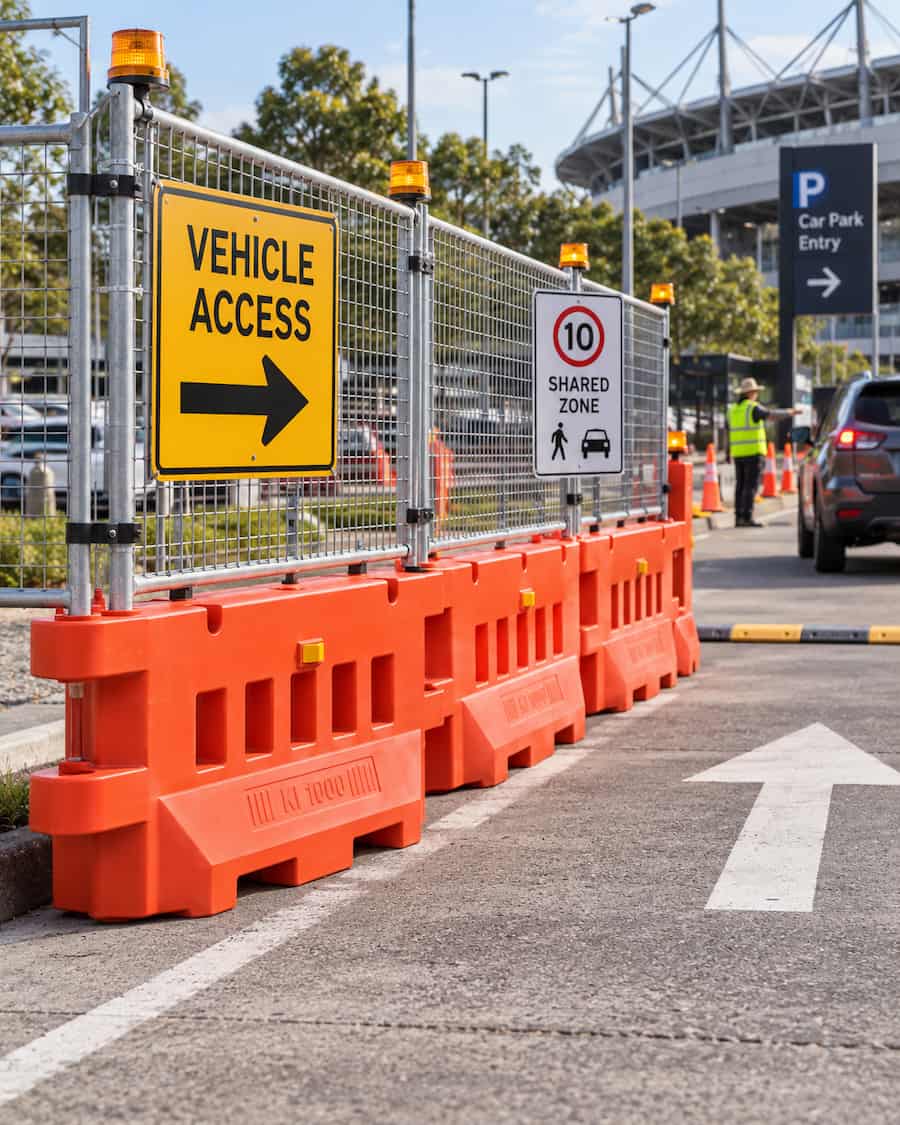
What Influences the Right Work-Area Setup?
Required physical presence, fencing, boundary geometry, handling needs and whether the area is static or frequently changing will help determine which separation system is suitable.
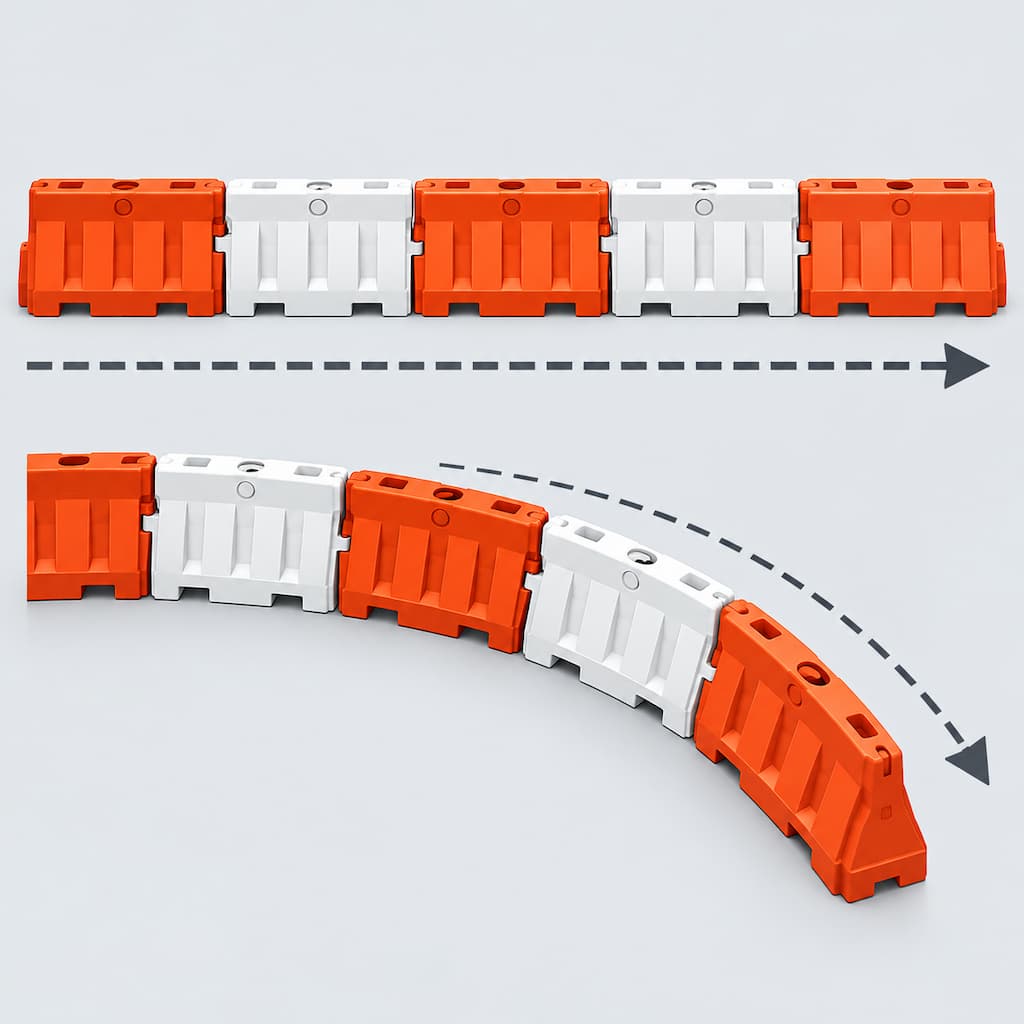
Straight or Flexible Boundary?
Is the work-area perimeter mostly straight, or does it need to follow corners, curves, openings or changing site geometry?
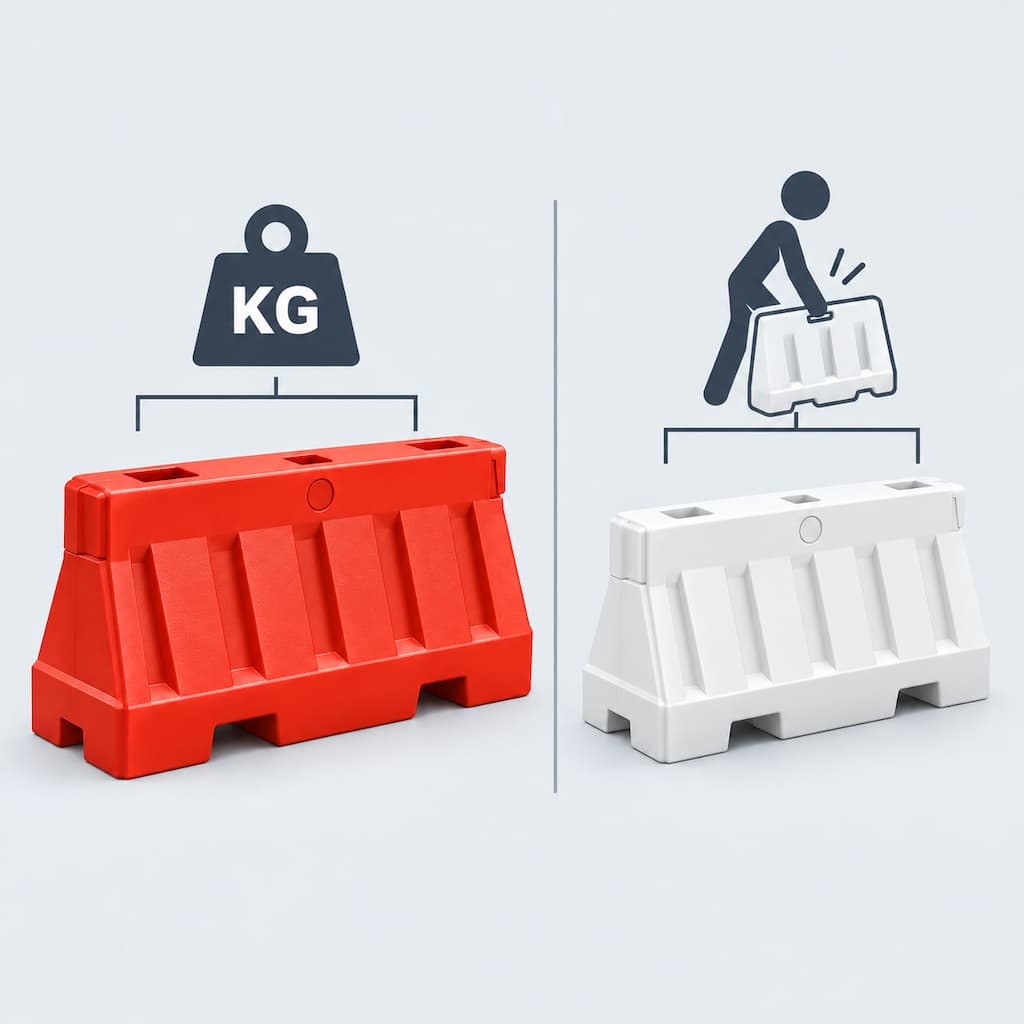
High Mass or Easy Handling?
Some work areas need a more substantial high-mass boundary. Others need lighter systems that are easier to deploy, move and reconfigure.
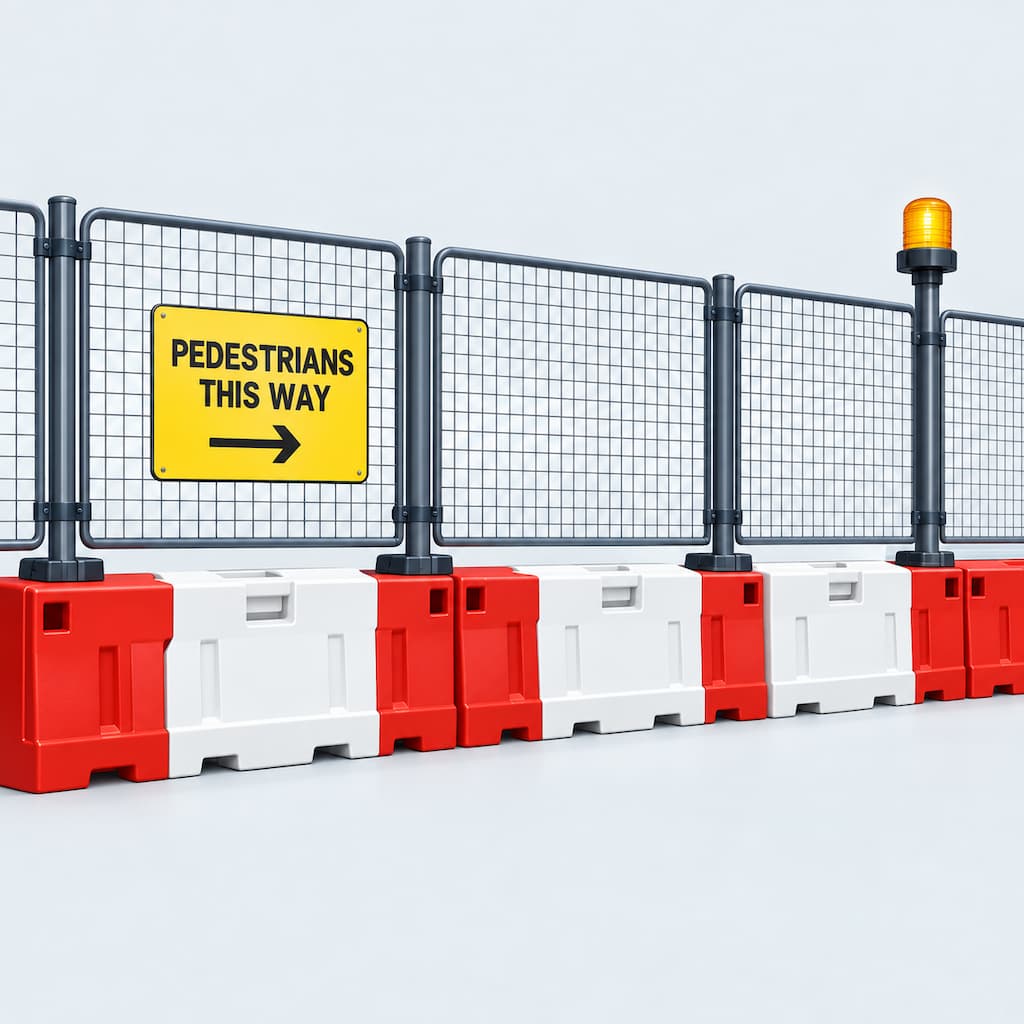
Fencing, Signage & Accessories?
Do you need mesh or fencing, hazard lights, pole signage or other supported provisions to strengthen the visibility or continuity of the boundary?
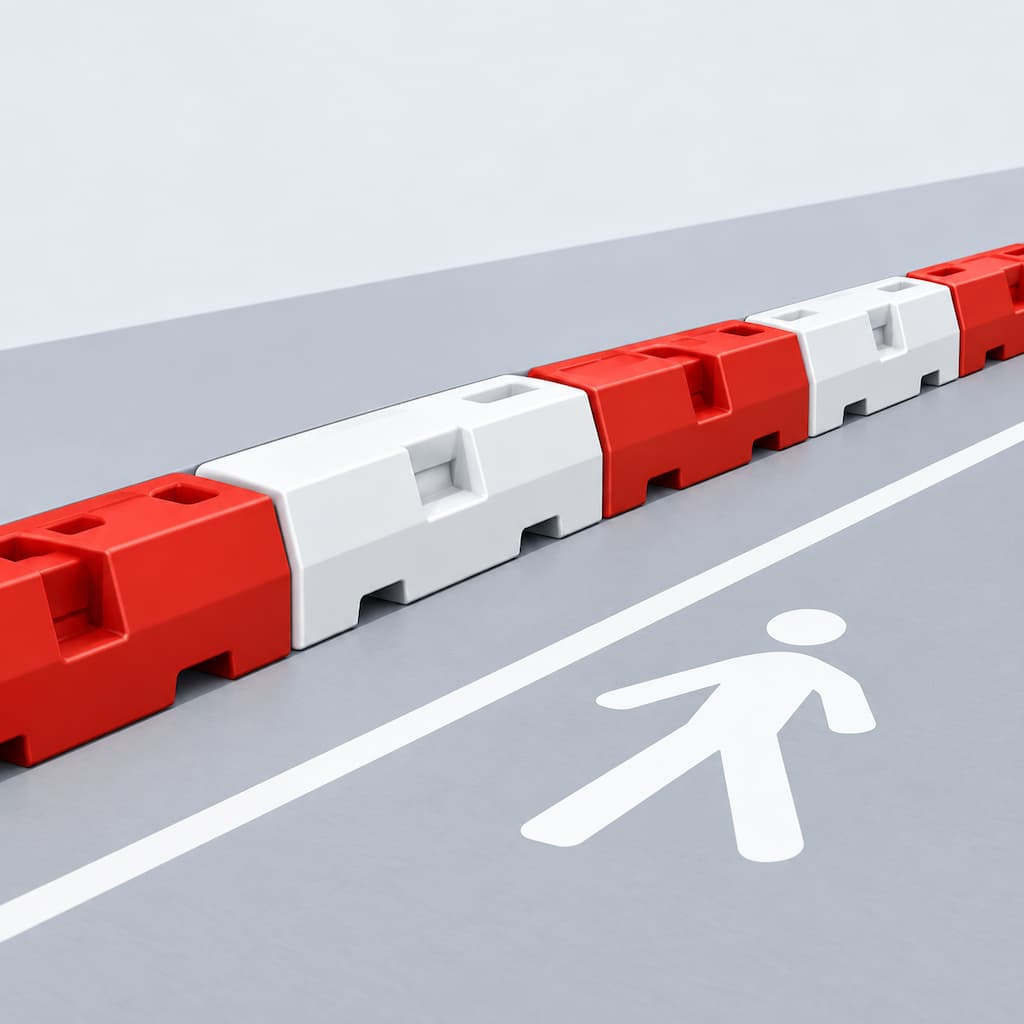
Delineation or Tested Containment?
Is the requirement to define and separate the work area, or does the project require a tested system designed to contain and redirect vehicles?
Not sure which requirements matter?
If your work area has specific mass, fencing, geometry, access or site requirements, tell us about the project and we’ll help narrow down the suitable options.


Compare Work-Area Separation Systems
Compare systems relevant to this application by physical presence, fencing provision, layout flexibility and handling. If tested vehicle containment is required, move to a redirective system rather than treating an ordinary delineator as impact protection.
Aqua Stop
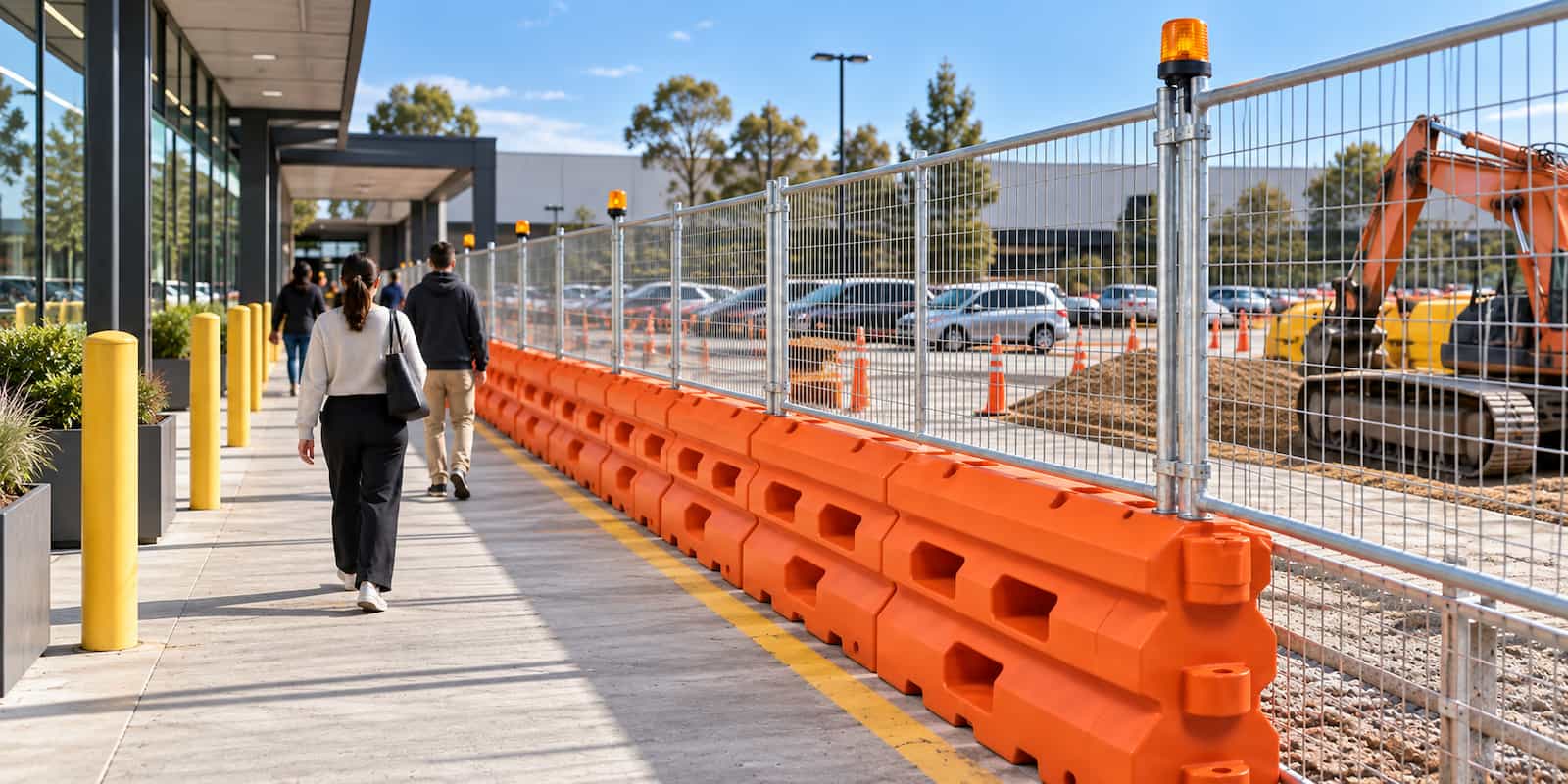
Aqua Stop suits work-area separation where greater filled mass and site presence are useful, particularly for longer, more exposed or more substantial temporary boundaries.
✓ Greater filled mass and site presence
✓ Long-run and exposed work-area delineation
✓ Fencing, signs and lights supported
Higher mass / Exposed areas
Work-area separation
Fencing & accessories
Water-fillable / High Capacity
KI-1000
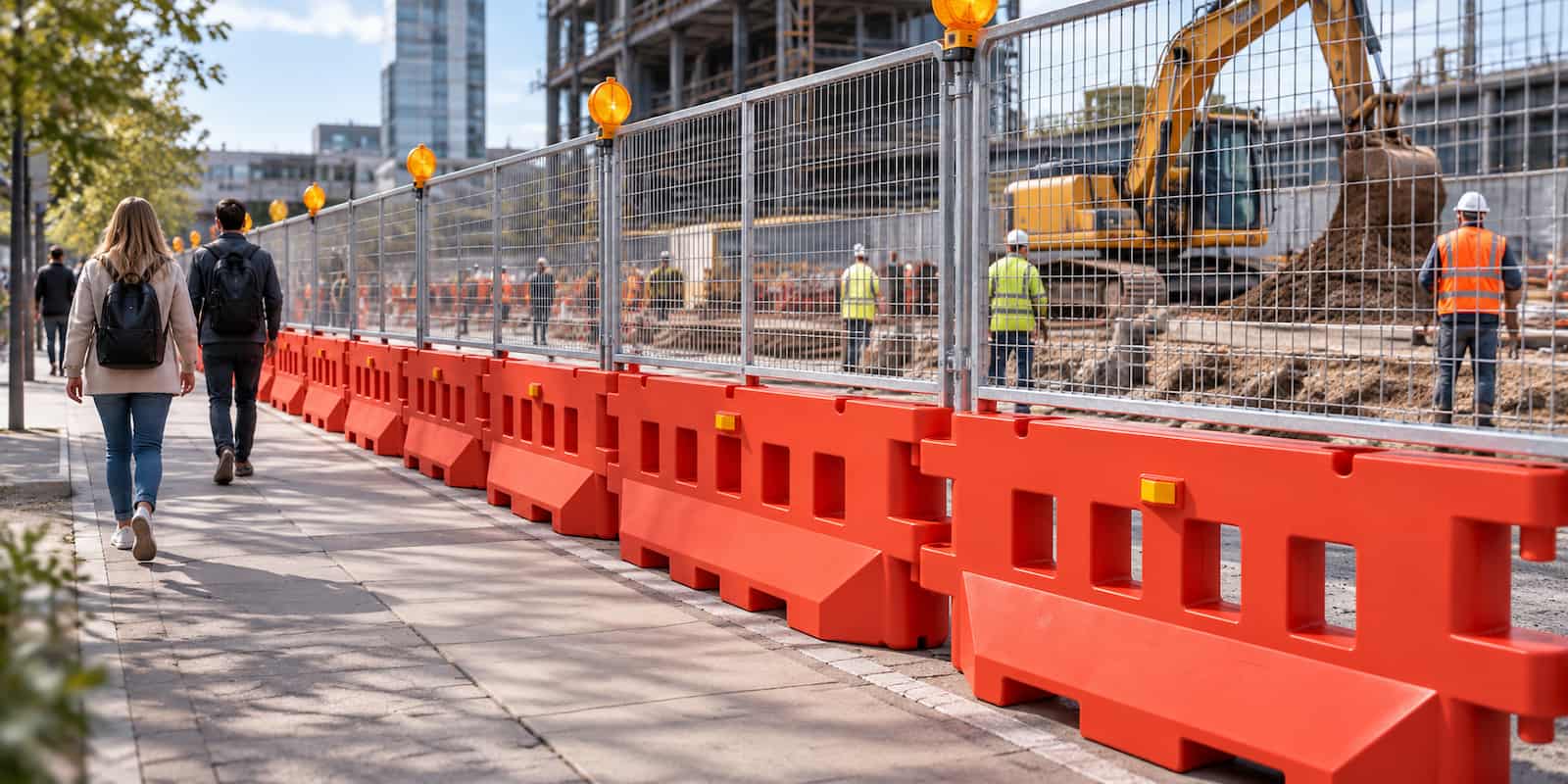
KI-1000 suits connected work-area boundaries that need to follow corners or changing layouts, with confirmed fencing or mesh and signage or lighting provisions where required.
✓ Flexible connected layouts
✓ Strong fit where fencing / mesh is required
✓ Signs, lights and mesh provisions supported
Flexible layouts
Fencing / mesh
Accessory provisions
Connected runs
KI-900
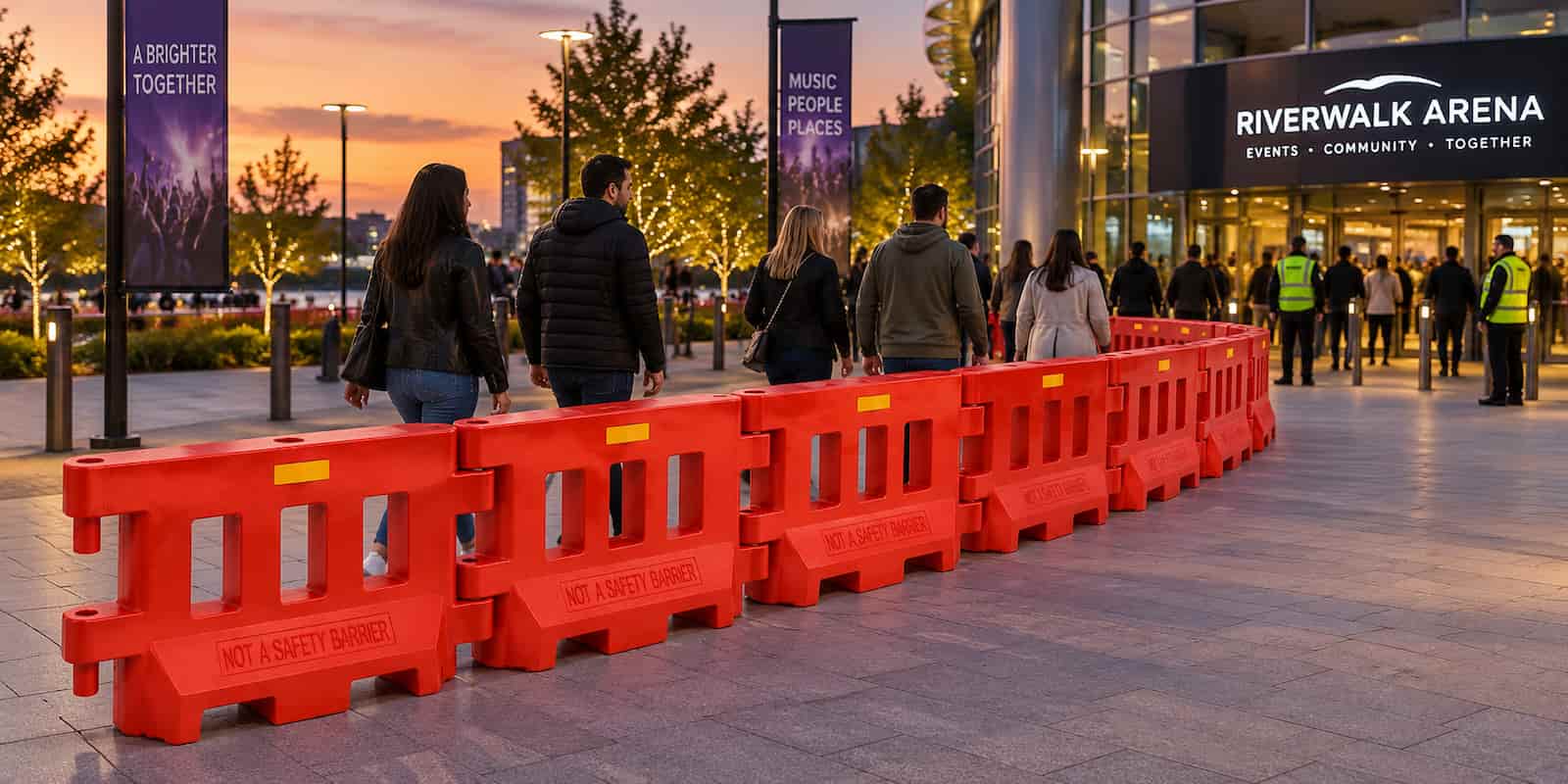
KI-900 suits connected work-area delineation where the boundary needs to follow corners or changing directions and fencing or mesh is not required.
✓ Flexible connected layouts
✓ Compact and easier to handle
✓ No fencing / mesh provision
Flexible layouts
No fencing / mesh
Connected runs
Compact handling
TM-700
TM-700 suits work-area separation where the boundary is predominantly straight and a clean continuous low/no-snag run is preferred.
✓ Straight continuous runs
✓ Lightweight empty handling
✓ Built-in provisions for fencing, signage and lights
Straight runs
Work-area delineation
Accessory provisions
Continuous boundary
TM-600
TM-600 suits smaller or changing work areas where portability, easy handling and greater layout flexibility are useful.
✓ Lightweight and easy to handle
✓ Flexible for changing layouts
✓ Built-in provisions for fencing, signage and lights
Lightweight handling
Flexible layouts
General site separation
Water-fillable
Work-Area Separation FAQs
Quick answers to common questions about defining temporary work areas, choosing suitable separation systems and preparing for a project.
Work-area separation uses temporary delineation to define active, maintenance, staging or restricted areas and help keep surrounding pedestrians, vehicles, plant or general site activity outside the intended boundary. The required system depends on what is being separated and the level of control required.
No. Ordinary delineators can define and separate a work area but are not automatically tested to contain or redirect an impacting vehicle. Where tested vehicle containment is required, use the dedicated redirective-protection pathway and confirm the complete system requirements.
KI-1000 and KI-900 suit highly flexible connected layouts. TM-600 can also suit more flexible general-purpose boundaries, while TM-700 is intended for straight continuous runs. Aqua Stop can suit moderate directional changes where higher mass is required.
Start with the total length of each boundary run, then compare it with the effective connected length of the product being considered. Allow for corners, openings and layout changes, and confirm quantities for longer or more complex projects before ordering.
Useful information includes the work-area purpose, approximate run lengths or quantity, what the area must be separated from, whether higher mass or fencing is required, layout geometry, relevant site conditions, and delivery location or timing.
Have a Quick Question?
Need a quick answer about a product, availability or which work-area option may suit your needs? Send us a message and our team will get back to you.
- Product information
- Availability & lead times
- Advice on suitability
Planning a larger or more specific project?
For larger work-area projects, system selection and supply quotes, please use our Project Quote.
STAY UP TO DATE
Get the latest product updates, project insights and industry news from Barrier Systems.
AUSTRALIAN MANUFACTURER

STANDARDS-AWARE PRODUCT GUIDANCE
PROJECT & SUPPLY SUPPORT


Australian made barrier and delineation systems that protect people, manage traffic and keep worksites moving.
AUSTRALIAN MANUFACTURER
STANDARDS-AWARE PRODUCT GUIDANCE
PROJECT & SUPPLY SUPPORT
Barrier Systems is brand of Q Solutions Co.
© 2026 Barrier Systems. All rights reserved.